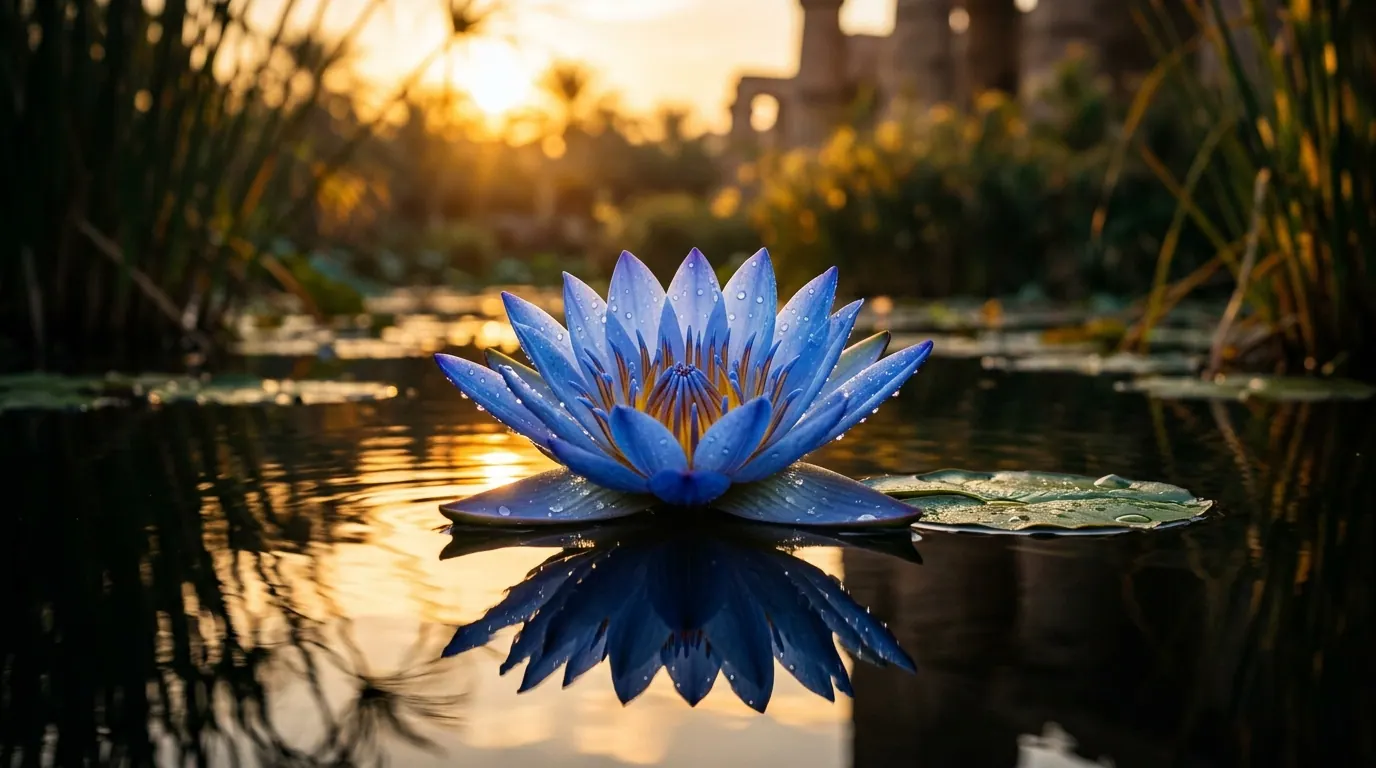
Sacred Blue Lotus Flower: A Guide to Its Ceremonial Wisdom
The Blue Lotus flower (Nymphaea caerulea), also known as the Sacred Blue Lily of the Nile, is an ancient entheogenic plant that has inspired artists, mystics, and healers for thousands of years. From the grand temple walls of Luxor to the tombs of Tutankhamun, the image of this beautiful blue flower is woven throughout the spiritual tapestry of ancient Egypt. More than a decorative motif, the Blue Lotus was revered as a potent sacrament capable of elevating human consciousness, opening the heart, and facilitating communication with the divine. Today, as modern seekers look to reconnect with ancestral plant wisdom, the Blue Lotus is experiencing a revival in ceremonial circles. In this guide, we dive deep into the rich history, chemical profile, spiritual benefits, and preparation methods of this sacred flower.
The Nile's Divine Flower: Ancient History and Mythology
In ancient Egyptian cosmology, the Blue Lotus was intimately tied to the cycles of the sun, creation, and rebirth. The flower exhibits a unique behavior: it opens its petals to the morning sun, releasing a sweet scent, and then retracts beneath the water's surface as night falls, only to emerge and bloom again the next dawn.
This daily cycle made the Blue Lotus a powerful symbol of the sun god Ra, who rose from a giant lotus flower at the beginning of time. It was also associated with Nefertem, the god of perfume, healing, and beauty, who is often depicted wearing a crown of blue lotus petals.
Egyptian high priests and royalty utilized the flower in various ways:
- Religious Ceremonies: Petals were offered to gods and ancestors to invite blessings and facilitate spiritual transitions.
- Social Gatherings and Banquets: The flower was steeped in wine and shared among guests to promote relaxation, open conversations, and heighten sensory appreciation.
- Medicinal Remedies: It was used to alleviate pain, ease anxiety, and treat skin conditions, serving as a general tonic for the nervous system.
The Chemistry of Calm: How Blue Lotus Works
Modern science has identified the primary active compounds within the Blue Lotus flower, helping us understand why it induces such a distinct state of calm and gentle euphoria:
- Apomorphine: This compound acts as a dopamine receptor agonist. It stimulates dopamine receptors in the brain, which can improve mood, induce a feeling of happiness, and promote physical relaxation without the heavy sedation associated with other herbs.
- Nuciferine: Associated with anti-spasmodic properties, nuciferine helps relax muscles, ease physical tension, and quiet a busy mind. It also works on serotonin receptors, contributing to the flower's calming, stress-relieving effects.
Because of this specific chemical synergy, Blue Lotus does not cause intense hallucinations. Instead, it gently shifts your awareness, clearing mental static and creating a spacious, relaxed state perfect for meditation and creative work.
Spiritual and Ceremonial Benefits of Blue Lotus
When approached with intention and respect, the Blue Lotus acts as a gentle guide for inner exploration.
1. Easing the Nervous System and Stress Relief
In our fast-paced modern world, the nervous system is often stuck in a state of high alert. Blue Lotus acts as a natural reset button, helping to release muscular tension, slow down racing thoughts, and guide the body back into a parasympathetic state of recovery.
2. Opening the Third Eye and Deepening Meditation
Practitioners often use Blue Lotus to support meditation and yoga. By calming the mind's chatty ego, the flower allows you to drop into a deeper state of focus. Many report a tingling sensation in the forehead area, indicating a activation of the third eye (Ajna) chakra, which enhances intuition, visualization, and inner sight.
3. Lucid Dreaming and Astral Exploration
One of the most famous traditional uses of the Blue Lotus is as a dream enhancer. Drinking a cup of strong Blue Lotus tea before sleep is known to:
- Make dreams significantly more vivid, colorful, and detailed.
- Improve dream recall upon waking.
- Support lucid dreaming, allowing you to become conscious within the dream state and explore your subconscious mind.
Methods of Preparation and Usage
There are several traditional and modern ways to work with the Blue Lotus flower, depending on your preferences and intentions.
1. Ceremonial Blue Lotus Tea (The Gentle Path)
Drinking the tea is the most common and accessible way to experience the flower’s energy.
- Ingredients: Use 1 to 2 tablespoons (about 3–5 grams) of dried Blue Lotus petals per cup.
- Brewing: Place the petals in a teapot and pour hot, but not boiling, water over them (around 85°C/185°F). Boiling water can degrade the delicate active compounds.
- Steeping: Allow the tea to steep for 7 to 10 minutes. The liquid will turn a beautiful golden-amber color.
- Ritual: Strain the tea, sweeten with raw honey if desired (the petals can be slightly bitter), set your intention, and sip slowly in a quiet space.
2. Traditional Lotus Wine (The Social/Relaxation Path)
For a deeper, more euphoric experience, you can recreate the ancient Egyptian wine infusion:
- Place 10–15 grams of dried Blue Lotus flowers into a bottle of red or white wine.
- Seal the bottle and store it in a cool, dark place.
- Let it infuse for 1 to 2 weeks, shaking the bottle gently every day.
- Strain the wine. Drink a small glass during a quiet evening, creative session, or shared circle to enjoy a deep state of relaxation and open communication.
3. Ceremonial Smoking or Vaporizing
Dried Blue Lotus petals can be smoked on their own or blended with other organic herbs (such as damiana, mugwort, or raspberry leaf). When smoked or vaporized, the onset of the calming and euphoric effects is immediate, though shorter in duration compared to drinking the tea. This method is often used to quickly clear the mind before entering a meditation session.
You May Also Like
- The Spiritual Significance of Amethyst in Shamanic Rituals
- What Are Palo Santo Sticks and How to Use Them for Energy Cleansing
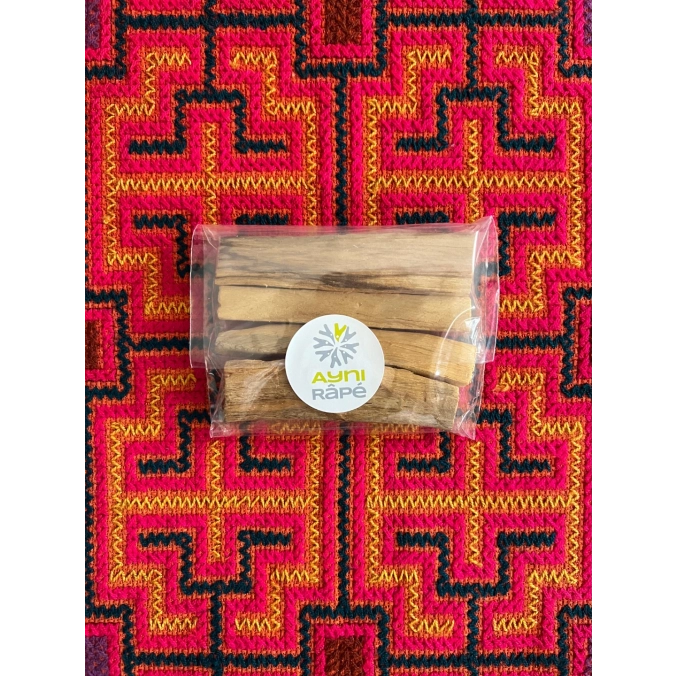 Explore Ceremonial ToolsPalo SantoShop →
The Sacred Blue Lotus is a gentle yet profound plant ally that invites us to slow down, open our hearts, and explore the vast spaces of our inner worlds. By integrating this ancient flower into your modern practices with respect, clarity, and clear intent, you honor a lineage of wisdom that stretches back to the banks of the ancient Nile.