
Rapé is a traditional Amazonian plant medicine used in sacred ceremonial contexts by Indigenous tribes of the Amazon rainforest. Often referred to as a sacred blend preparation, rapé is not simply a substance but part of a deeper spiritual practice that includes intention, grounding, and mindful preparation. Understanding proper rapé ceremony preparation is essential for anyone seeking to approach this practice with respect, awareness, and safety.
Understanding the Meaning of Rapé in Ritual Context
The rapé blend ritual meaning goes far beyond physical use. In traditional settings, rapé is considered a sacred tool for cleansing the mind, body, and energetic field. It is often used in a rape amazonian ritual (Amazonian rapé ritual), where the intention is to align oneself with nature, spirit, and inner clarity.
Different Indigenous traditions may refer to it as a rape ritual or rapo ritual, but in all cases, it is treated as a sacred blend ceremony guide practice that requires respect, silence, and focus. The use of rapé is never recreational in its traditional context; instead, it is deeply embedded in spiritual preparation before rapé ceremony practices.
How to Prepare for Rapé Ceremony
Knowing how to prepare for rapé is one of the most important aspects of the experience. Preparation begins long before the ceremony itself. Physical, emotional, and mental readiness all play a role in ensuring a balanced and meaningful experience.
Plant medicine ceremony preparation often includes dietary awareness, reducing stimulants, and creating a calm environment. Many practitioners also recommend reducing digital distractions and avoiding heavy emotional stimulation prior to the ritual.
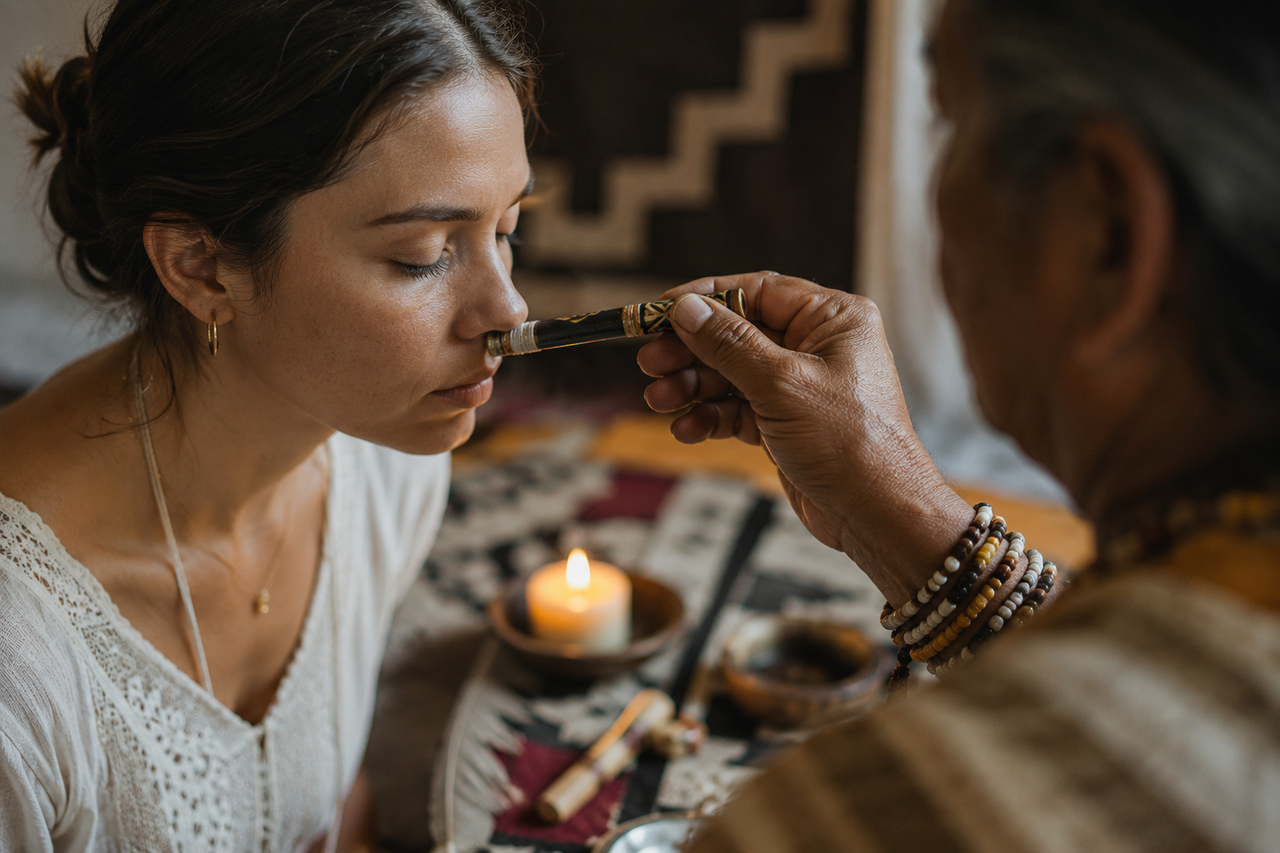
A key part of preparation is understanding how to use rapé safely. Since rapé is administered through the nose, it is important to approach it with care, proper guidance, and respect for its strength. Beginners should always learn from experienced practitioners or facilitators.
Setting Intention for Rapé Ceremony
One of the most important elements of the practice is setting intention for rapé ceremony. Intention acts as a guiding force throughout the experience, shaping emotional and spiritual outcomes.
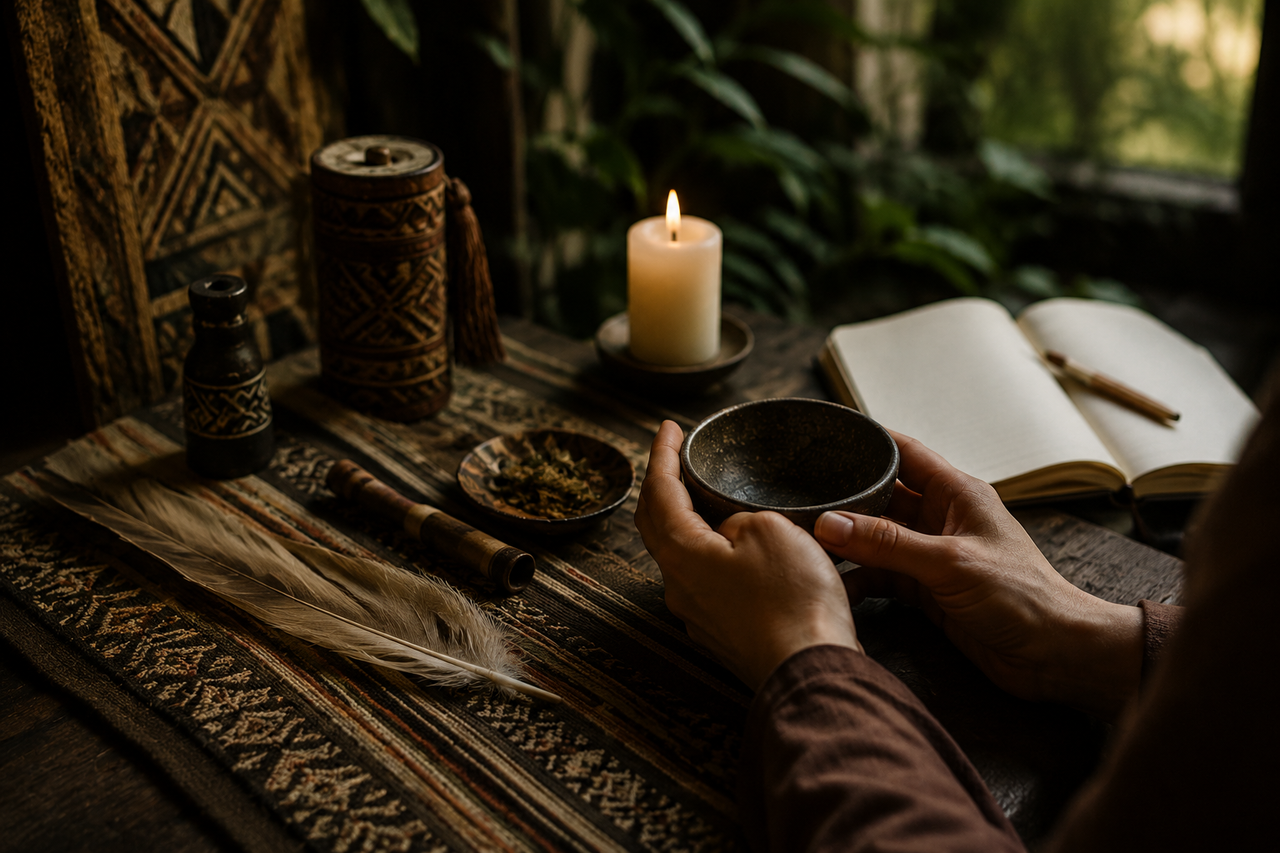
Rapé intention setting techniques often include silent reflection, meditation, or journaling before the ceremony. Participants may ask themselves what they wish to release, heal, or understand. This process is central to rapé spiritual practice, as it helps align the mind with the purpose of the ritual.
Rapé meditation and intention work together to create clarity. Sitting in stillness before the ceremony allows the practitioner to focus inward and prepare for the energetic shift that rapé may bring.
Grounding and Breathing Practices Before Ceremony
Proper rapé grounding practices help stabilize the mind and body before the experience begins. Grounding may include walking barefoot in nature, deep breathing, or sitting in silence while focusing on physical sensations.
Rapé breathing techniques before ceremony are especially important. Controlled, slow breathing helps calm the nervous system and prepares the body for the intensity of the ritual. Deep breathing also supports emotional regulation during the experience.
These practices are part of traditional rapé use, where preparation is considered just as important as the ceremony itself.
Rapé Ceremony Preparation and Shamanic Guidance
In many Indigenous traditions, rapé ceremony preparation is guided by experienced healers or shamans. A rapé shamanic ritual guide ensures that the process is conducted with respect, safety, and proper energetic alignment.
A sacred rapé ceremony often takes place in a controlled and intentional environment. Participants are guided through each stage of the experience, from grounding to integration. This structured approach is part of what makes the practice meaningful and safe.
Shamanic blow ritual preparation may also include prayer, chanting, or silence, depending on the tradition. These elements help create a sacred space for transformation and inner reflection.
Cleansing and Energetic Purification
One of the key aspects of rapé cleansing ritual practices is energetic purification. Rapé is traditionally used to clear mental fog, emotional stagnation, and energetic blockages.
Participants often report a sense of clarity and grounding after the ritual. This is why rapé is widely regarded as a tool for resetting focus and reconnecting with inner awareness.
The process is not about escape but about presence and integration. In this sense, rapé spiritual practice supports mindfulness and self-awareness.
Safety and Responsible Use of Rapé
Understanding how to use rapé safely is essential. Because of its potency, it should always be used with proper knowledge and guidance. It is not recommended to use rapé without understanding its effects or without a supportive environment.
Safety also includes emotional readiness. Rapé may bring strong sensations or emotional release, which is why intention and grounding are so important.
Respect for the sacred nature of the practice ensures that rapé remains a meaningful part of traditional and contemporary plant medicine ceremonies.
Conclusion
Rapé is more than a substance; it is a sacred practice rooted in Indigenous Amazonian traditions. From rapé ceremony preparation to intention setting and grounding, every step plays a vital role in the experience.
Whether viewed as a sacred blend ceremony guide or a deeply personal spiritual journey, rapé encourages mindfulness, clarity, and connection. By approaching it with respect, preparation, and awareness, individuals can engage with this tradition in a responsible and meaningful way.


